




The Allure of Uncertainty
One of the most compelling aspects of casino gambling is the thrill that comes from uncertainty. The unpredictability of outcomes is a key factor that captivates players. Whether it’s the spin of a roulette wheel, the roll of dice, or the draw of a card, each moment is filled with suspense and the potential for a significant win. This uncertainty triggers a psychological response that can be both exciting and addictive, keeping players engaged and returning for more. Occasionally, players may seek to explore options like no gamstop casino alternatives to enhance their gaming experience.
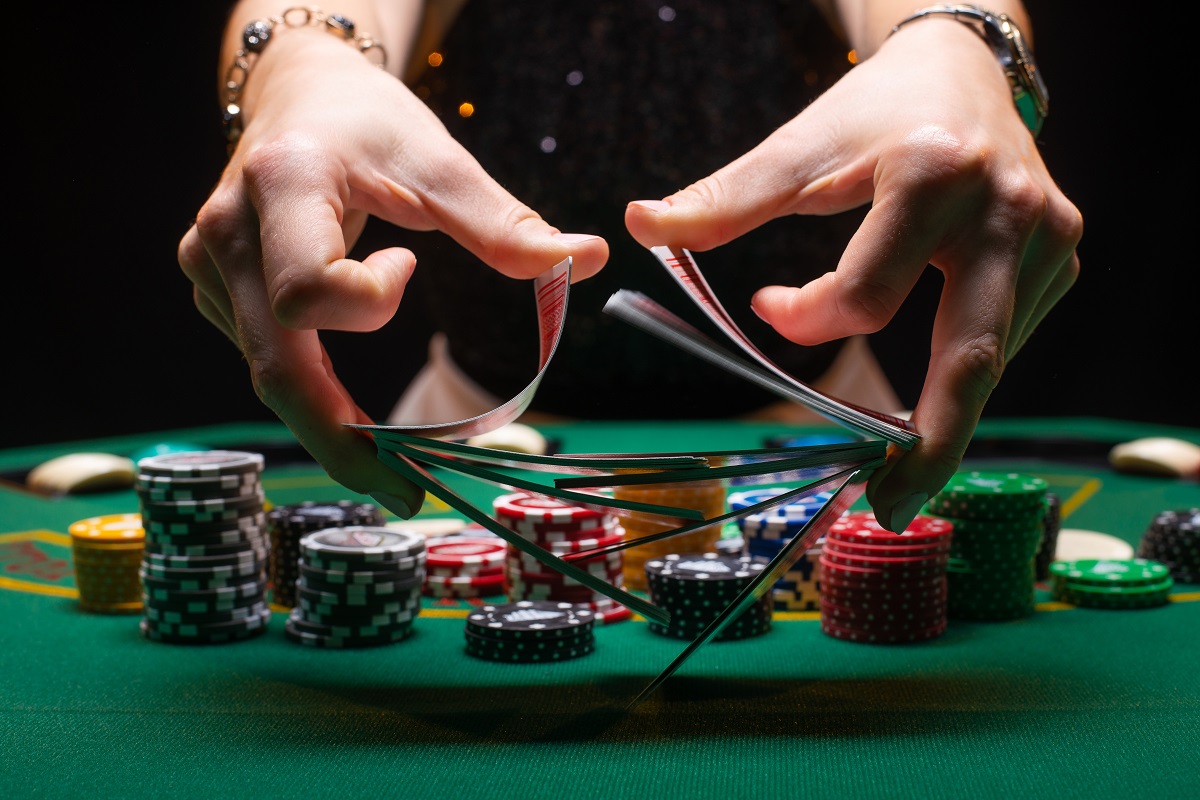
The brain’s reward system plays a vital role in this dynamic. When individuals engage in gambling, they often experience a rush of dopamine, a neurotransmitter linked to pleasure and reward. The anticipation of winning—not just the win itself—can create a euphoric feeling, driving players to pursue that high repeatedly. This cycle of anticipation and reward strengthens the relationship between gamblers and the behavior itself, making it difficult to resist.
Social Interaction and Community
Casinos are not just places to gamble; they are social hubs where people come together. The communal aspect of playing games and sharing in the wins and losses fosters a sense of belonging and camaraderie. This social interaction can enhance the overall experience, making the gambling atmosphere more enjoyable and engaging. Players often find themselves immersed in a vibrant environment filled with laughter, cheers, and collective excitement.
Furthermore, the shared experience of gambling can lead to discussions, bonding, and forming friendships. People often seek out these social interactions, which can contribute to their ongoing participation in gambling activities. The opportunity to connect with others over shared experiences can amplify the thrill of the game, making a night at the casino feel less like an isolated activity and more like a social event.
The Role of Skill and Strategy
While many casino games are based on chance, there are also elements of skill and strategy involved that can attract players. Games such as poker and blackjack allow individuals to employ their knowledge and skills, which can enhance their enjoyment and satisfaction. The ability to make decisions and influence outcomes, even in a game of chance, can provide a sense of control that players find appealing.
This integration of skill into gambling experiences can lead to a deeper connection and investment in the games. Players may feel empowered by their abilities, which can add layers to the thrill of casino gambling. This blend of chance and skill makes each gaming session unique, as players strategize to enhance their chances of winning while still embracing the unpredictability of the outcome.
The Impact of Design and Environment
Casinos are meticulously designed to maximize player engagement and excitement. From the layout to the lighting, every aspect of a casino is crafted to create an exhilarating atmosphere that keeps players on the gaming floor longer. Bright lights, vibrant colors, and enticing sounds create a sensory experience that draws in gamblers and stimulates their senses, making them more likely to gamble.
Moreover, the lack of clocks and windows in many casinos is a deliberate tactic to lose track of time, encouraging prolonged gambling sessions. This environment can lead to heightened emotions and increased excitement, further intensifying the thrill of the games. The psychological effects of the design elements ensure that players remain immersed in the experience, often resulting in extended periods of play.
Understanding Casino Gambling Through Research
Research into the psychology of casino gambling sheds light on the complexities behind why individuals choose to gamble despite the inherent risks. Studies have shown that factors such as cognitive biases, emotional triggers, and individual personality traits play significant roles in gambling behavior. For instance, individuals may overestimate their chances of winning due to cognitive biases, which can lead to more frequent play.
Additionally, many casinos now take this understanding into account by offering resources and support for responsible gambling. By acknowledging the psychological elements at play, operators can help create safer environments for players, promoting moderation and awareness. Research and its application are essential for developing strategies that benefit both players and the industry, ensuring a more sustainable approach to the thrill of casino gambling.